Monday, July 4, 2016

narrative medicine 101

OK. OK! I know...I've been quiet on Blogger for the past few weeks. But, don't worry. I haven't given up or keeled over or been overwhelmed by anything remotely dramatic. It's just that I've decided to begin again, and that takes time and effort.

I'm beginning work on a new blog:


storytelling~the healing path
"The degree to which you can tell your story is the degree 
to which you can heal."
~S. Eldredge~


This blog will explore the importance and role of storytelling in medicine, a field known as "narrative medicine." 

It encourages the healthcare provider to trace his or her own journey into a profession that is both challenging and rewarding, full of both hope and despair, and, depending on the day of the week, both exhausting and inspiring. Perhaps his father and grandfather before him were physicians and to aspire anything less meant outright mutiny in his family. Perhaps she navigated a life-threatening childhood illness, herself. 

Narrative enables them to share the stories that unfold for them in the hospital among the patients they care for. Which patients touched them most deeply, and why? What scares them the most? Where do they find the courage, dedication and solace that make it possible to go on day after day, year after year?

Another perspective involves the most basic skill in medical care—obtaining a thorough history of the patient’s illness. Not just the facts (When did it start? What are your symptoms? What have you already tried?) but their feelings and thoughts about it. What it means to the patient to be sick. How it affects the people around them, and how they feel about that. 

The final path is therapeutic. It requires the caretaker to become a storyteller, to develop a talent for re-imagining the patient’s recovery in metaphorical terms, suggesting that healing is possible because someone has already experienced it.

Why is any of this important? Because patient outcomes are improved when the provider understands the patient's illness in the context of his or her experience, culture, and expectations.
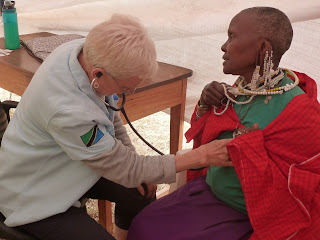


Because satisfaction improves when the patient feels he has been heard. And, because (listen up all you health system CEOs and CFOs...) in the long run it saves time and money.


"storytelling--the healing path" will be up and running soon. You can find it at http://www.thenarrativepath.blogspot.com or connect to it hereIn the meantime, have a wonderful 4th of July!


jan


Saturday, June 18, 2016

finding the right words

June 18, 2016: 
Part 1

I'm having a hard time finding the right words for things this week, so I thought I would skip writing anything at all today. After all, I just got back from a trip to Pittsburgh, and tomorrow I leave for Massachusetts. I didn't think I had any meaningful commentary to add to this week's news, and I certainly didn't expect to find time to write. I have to pack.

But when I got up, I couldn't resist going outdoors. When I left the house there wasn't a cloud in the sky, not a breeze. Fields that were emerald two weeks ago had turned to gold. Except for birdsong, the world was silent--not an airplane overhead, not a lawnmower humming away, not a single dog barking in the distance. For me it was the perfect way to start the day...too perfect for words.


As I walked I remembered the headlines from this past week. I thought about the families who are burying their LGBT sons and daughters today. Families who lost young children in unimaginable tragedies this past week. People fleeing deadly floods and raging wildfires. A friend whose cancer is spreading. For them, this is a terrible day...too horrible for words.

I walked with them for an hour and a half this morning, but it wasn't enough. Not long enough, not far enough, not hard enough. I may have to go back out again later...


June 18, 2016
Part 2

This weekend we observe Fathers' Day. In a perfect world, every day would be a happy day for fathers. But it isn't. Too many despair of finding and keeping their jobs so they can care for their families.Too many of them are stalked by bitter memories of war or abuse or the shortcomings of their own childhoods.  Some are besieged by addiction to drugs or alcohol, to gambling or sex, to the very work they take such pride in. Some have lost a child. 

In a perfect world, the rest of us would be happy to celebrate Fathers' Day with them, but we can't. We don't always know how to comfort them, or heal them, or make peace with them. Some of them are already gone. 

Perhaps we should try celebrating Heroic Fathers Day or Healing Fathers Day or Hopeful Fathers Day for the men out there who can't find happiness. For the rest of you:

www.fathers-days.net
jan


Sunday, June 5, 2016

writing is a meditation

If you practice meditation you know how hard it can be to quiet your mind while sitting in silence. Our minds like to be busy--thinking back on things that have happened, thinking ahead to what awaits us, guessing, planning, judging, fretting--when our goal in meditation is to let go of all those thoughts so we can remain calm, mindful, and compassionate.


When our minds wander during meditation, we are encouraged to simply acknowledge the interruption and refocus on the body. When thoughts arise, we label them "just thoughts" or "just thinking" and move our attention back to the next breath--in, out, in, out. Letting go of intrusive thoughts helps mitigate the impact of negative emotions such as anger, anxiety, bitterness and resentment that may have a strangle hold on us.

This, I believe, is a practice writers should embrace. We are accustomed to labeling our own negative thoughts as "voices" we hear. It's an interesting metaphor. We are advised not to pay attention to the voices of negativity that discourage our creative efforts...voices that insist we're wasting our time, that we have no hope of success, that our work is meaningless or inferior. Voices that make us feel guilty for indulging in something we enjoy when others are so hard at work.


The voice of a parent might come back to us...something about taking life seriously, earning a decent living or keeping up appearances. It might a teacher or boss or co-worker, all of them with your best interests in mind as they scatter aspersions and dissuasions and conventional expectations along your path as if your journey weren't difficult enough without them.

www.pinterest.com
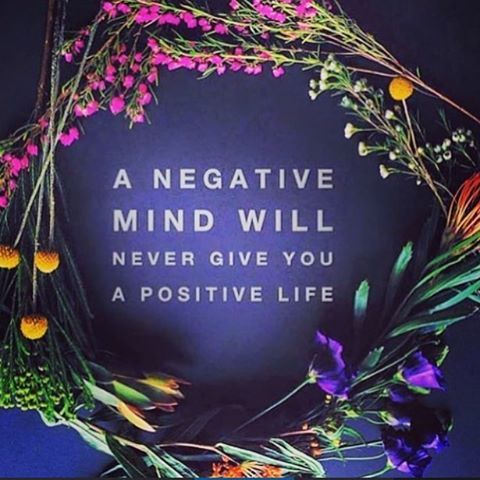
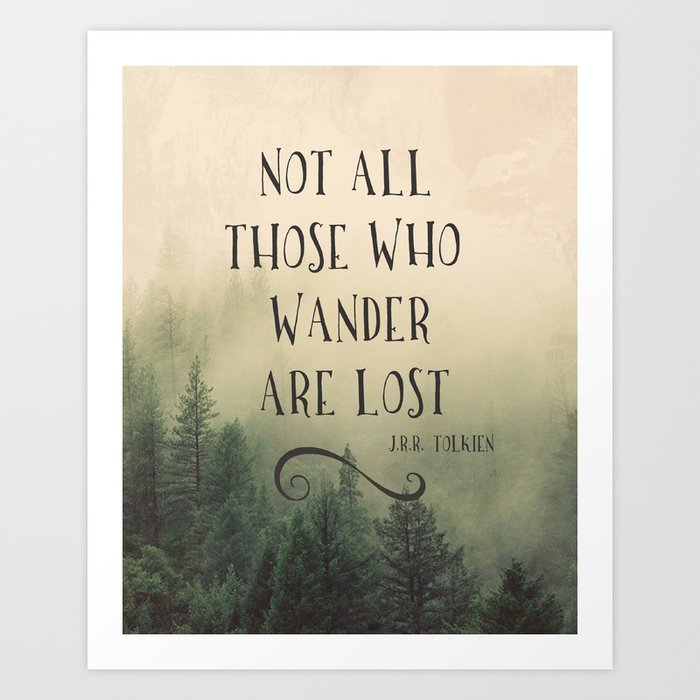
The point is that those negative voices are just thoughts. Just echoes from the past, not worth arguing about. They are opinions, and they do not have your best interests in mind at all. Banish them! Return to the breath. Or take a walk. Or call up a friend--someone who encourages you and supports your dream. Someone who understands how hard this is and respects you for trying. Someone whose friendship isn't invested in your success or wealth or fame.

Do whatever it takes to stay on the optimistic side. Turn your attention back to the truth:

www.pixilatedbelle.tumblr.com 
When we choose to pursue something as fleeting as a creative urge or as elusive as a dream, negativity is intrusive. Think about it. Meditate on it. Learn how to let it go.


For more on writing and meditation visit my friend Madhu Wangu, at http://www.madhubazazwangu.com/about-mindful-writing/ .

She's the expert.
jan


Saturday, May 28, 2016

where the poppies grow


www.iwvpa.net


In Flanders fields the poppies blow
Between the crosses, row on row
That mark our place; and in the sky
The larks, still bravely singing, fly
Scarce heard amid the guns below.

www.southernlagniappe.blogspot.com


We are the Dead. Short days ago
We lived, felt dawn, saw sunset glow,
Loved and were loved, and now we lie
In Flanders fields.

www.dilymail.co.uk


Take up our quarrel with the foe:
To you from failing hands we throw
The torch; be yours to hold it high.


If ye break faith with us who die
We shall not sleep, though poppies grow
In Flanders fields.
 

www.jettbritnell.blogspot.com

~John McCrea~
1872-1918
The name of John McCrae may seem out of place in the distinguished company of World War I poets, but he is remembered for what is probably the single best-known and popular poem from the war, "In Flanders Fields." He was a Canadian physician and fought on the Western Front in 1914, but was then transferred to the medical corps and assigned to a hospital in France. He died of pneumonia while on active duty in 1918. His volume of poetry, In Flanders Fields and Other Poems, was published in 1919. http://www.english.emory.edu/LostPoets/McCrae.html

Saturday, May 21, 2016

a word of praise, a nod of approval

This week a member of my critique group asked me to reflect on my experience with the group...specifically, what I think I've learned from my fellow writers. I've posted before about how much I appreciate my fellow writers, and how important it is for a beginner to have a good critique group.

So, here are five things I've learned from my critique partners in addition to correct grammar, spelling and punctuation:
  • I've learned that it's a lot easier for me to edit some else's work than it is to pick up on my own mistakes (passive verbs, extraneous adjectives and adverbs, pacing, etc., etc., etc.)
www.betterwritinghabits.com
The entire process has improved my self-editing skills.
  • We meet once a month. Polishing up a couple of pages in time to make that deadline has helped me forge ahead with my novel. Without it, I would probably never have finished a line of revision or moved ahead to the next scene.
www.snapahead.com
  • You can't please everyone.  What one person likes, another deletes. What one person thinks you should keep, another thinks is needless. I've learned to make the final decision based on what I want to get across to the reader. What is true for me.
www.amptoon.com
  • In their early drafts, even some of the already-published authors among us struggle with the same issues I do as a beginner (scene setting, characterization, plot points, etc., etc., etc.).
 

 I've learned to trust the process. The finished-product may scarcely resemble the first draft.
  • I've learned that a word of praise or a nod of approval can do more to motivate a writer than all the advice in the world...

www.themetapicture.com
...no matter who it comes from :)

A big round of applause and gratitude goes out to all my critique partners! Thank you!


*
" We do not mind our not arriving anywhere
nearly so much
as our not having company on the way."

--Frank Moore Colby--
*
This weekend I'm missing the annual Pennwriters' Conference in Lancaster, less than an hour from where I live. This means I have to miss some terrific workshops, but mostly I miss seeing the friends I only get to see once a year. Miss you guys. Maybe next time...

Saturday, May 14, 2016

ten signs you're ready to begin

When I retired in order to begin all over again as a wannabe writer, I didn't know what I was getting myself into. I didn't know if I had any talent for this kind of thing, any hope of success, or the necessary dedication to it. Nevertheless, I put my misgivings aside, summoned whatever courage I could muster, and cleared my desk so I was ready to try.

Since then I have learned that there are certain signs that writing is a person's true passion in life. Is it yours?

In my experience, these are the top ten signs that you, too, may be ready to begin:

  • At any one time, you carry at least five pens with you (six to ten is even better). Go ahead. Check your purse or briefcase now.
www.finewritinginstruments.org
  • You have enough pens with you but sometimes you forget to carry paper. Therefore sizable chunks of your manuscript are recorded on napkins, on the back of receipts, on used envelopes, and when that fails...on the back of your hand.
  • You have perfected the ability to record plot points, dialogue, and gorgeous prose whenever and wherever your muse is kind enough to share it with you...and you can get it down without taking your eyes off the road.
  • Sudoku makes you cringe.
Image result for sudoku
www.en.wikipedia.org
  • You are reluctant but willing to concede that your laptop/word processor is a convenience, but you will defend the merits of pen and paper to the end. Remember the likes of Shakespeare, Dostoyevsky, Matthew, Mark, Luke, and John?
  • When you're writing, you sometimes make yourself cry.
  • Sometimes you make yourself laugh.
  • When you read what you've written later on, it happens again.
  • You have made peace with the "delete" key.
www.morrissey-solo.com
  • "I wasted the whole day," is not part of your vocabulary.
  • You make excuses (Oh, all right--you lie) so that you can stay home alone.
Oops. That makes eleven sure signs.

The point is that unless you begin, you will never know what you can accomplish. You will never put your passion to the test, exercise your creativity, or realize your dream. You will never know if you have what it takes, and you will always wonder about it.

When do you plan to begin?


jan

Monday, May 9, 2016

change is good

"Change is good." How many times have I invoked that weary platitude in defense of starting a new project--redecorating a room or sprucing up the yard, trying a new diet, or even starting a new story.


www.environthrift.com

The problem is that I would rather redecorate a room than clean it. A total makeover is so much more fun to think about than scrubbing down the walls or shampooing the carpet, and then tossing a couple of new cushions onto the couch.
I'd rather put in new landscaping and plant fresh flowers than face the drudgery of edging and weeding the beds I already have.

www.webweave.nu


And how many times have I made up my mind to go vegetarian, or vegan, or Mediterranean rather than simply cutting down on the fat, salt and sugar in my diet like I know I should.

www.theangrydieter.com

There is something irresistible about starting anew, the promise that you can make it bigger, brighter, or better this time around. Imagine what you could do with a truckload of new furniture, or a gourmet kitchen, or a updated wardrobe! Oh, the anticipation, the execution, the endless possibilities!

It's like starting a new book. You're full of ideas...so sure that this one will be better than the rest! Every day you're eager to get back to work on it...


...when you really should be plowing through tedious revisions on the piece you've simply grown tired of.


Spring is a time for change, whether you're working in the yard, giving the house a good cleaning, or starting a new story.

Sometimes all it takes is a little dusting and polishing, or a little hoeing and raking to spruce things up. Just a few minor revisions can make all the difference.

Then again, sometimes it pays to stick with what you already have and make it the best it can be. 
*
*

jan

Sunday, May 1, 2016

ten signs you're ready to begin

"Most of us have two lives.
The life we live, and the unlived life within us...
Are you a writer who doesn't write, a painter who doesn't paint,
an entrepreneur who never starts a venture?
Then you know what Resistance is."

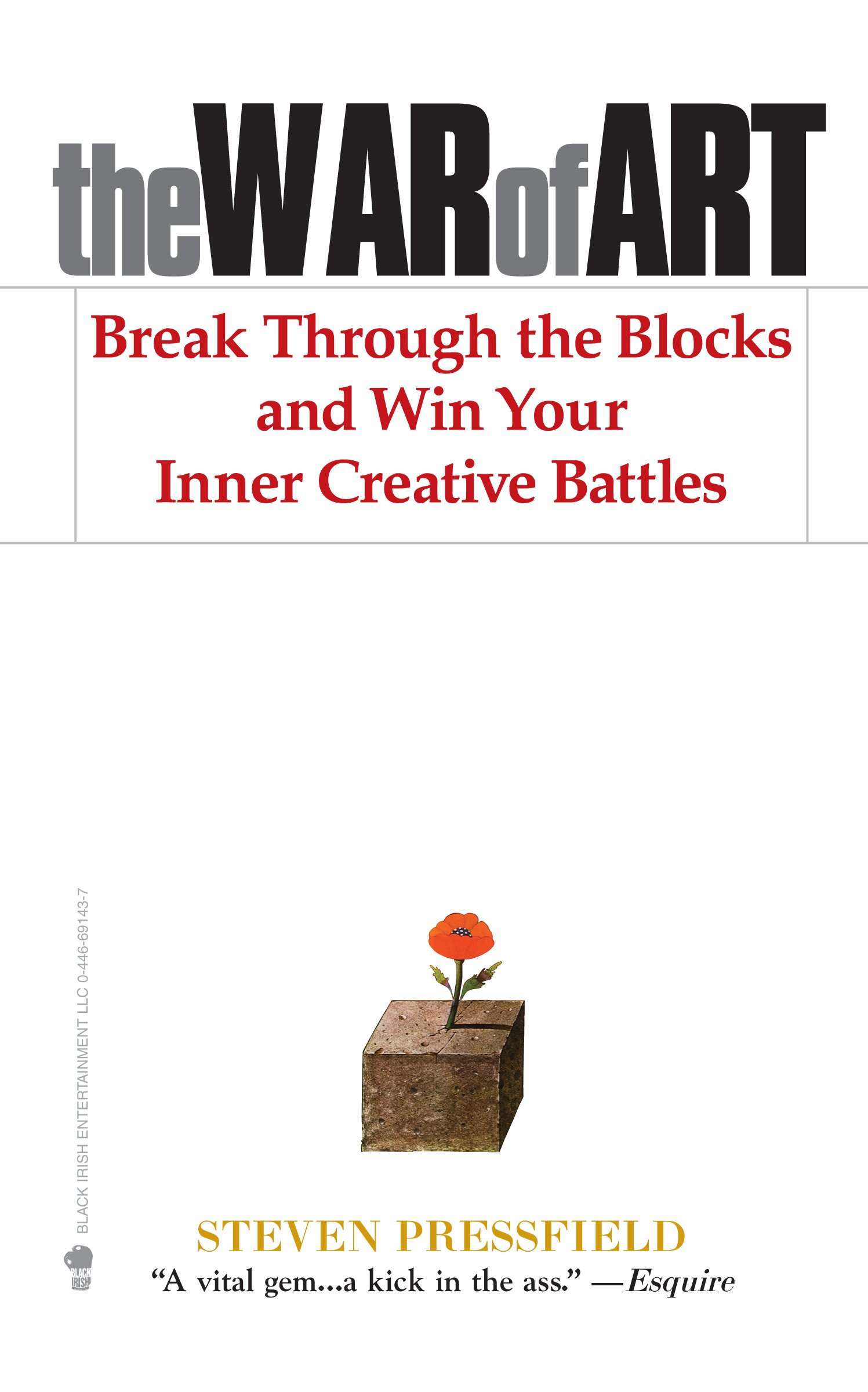
This quote is taken from the book, theWARofART, by Steven Pressfield.

www.amazon.com

In it he talks about the excuses we concoct to defeat the creative urge within us. For example, instead of romancing our muse, most of us worry about financial security. We complain that we don't have the time to take on one more thing. We shun solitude at all costs. It's no wonder we never get anything started...or finished.

He goes on to say:

"If tomorrow morning by some stroke of magic, every dazed and benighted soul woke up with the power to take the first step toward pursuing his or her dreams, every shrink in the directory would be out of business. Prisons would stand empty. Domestic abuse would become extinct, as would addiction, obesity, migraine headaches, road rage, and dandruff."

Why? Because fear of failure, anxiety, pessimism and self-loathing are all bottled up inside, feeding us lies. Waiting to sabotage our first courageous efforts. You'd experience a little resistance, too, if you were trapped in there with all that negativity.

www.highlandhosp.com

If, instead, you prefer the company of dreamers, optimists, wishful thinkers, and self-starters then you should get in touch with your muse.

www.huffingtonpost.com

Whether your dream is to write, or paint, or compose, or perform, she can show you how to begin...or help you begin again if you've already given up. Remember:


Here are ten surefire signs you are ready:

--You're already in the habit of jotting notes on napkins, cashier receipts, or the back of your hand.
--You carry between five and ten pens with you at all times.
--You prefer to listen to the voices in your head than to engage in conversation with the person next to you.
--Somewhere stashed away in your house is a crate of moldering paints, petrified brushes, and unfinished canvases from who knows when.
--You haven't had the piano tuned for years and the books stored in the bench are starting to smell funky.
--The last thing you painted was the ceiling.
--The last time you sang in public was at the start of a ball game.
--Dread drops anchor with you some time after 3pm Sunday and doesn't lift until after 3pm Friday.
--You doodle on the back of corporate memos.
--Play is your idea of good honest work.

These are all tell tale signs that you have it in you no matter what you come up against. You already possess the desire, the spirit, and the tools to harness your creative energy.

www.acelebrationofwomen.org

The question is what will you do with yours?
*
"Why should we all use our creative power?
Because there is nothing
that makes people so generous,
joyful, lively, bold, and compassionate,
so indifferent to fighting and
the accumulation of objects and money."
--Brenda Ueland--
*
jan


Sunday, April 24, 2016

meet buttercup

Meet Buttercup:


I'll be walking her for the Central PA Animal Alliance until they can find a foster home, or better yet, a forever home for her.

A woman in North Carolina came across her during the winter, out in the cold, trying to keep her litter of newborn puppies warm. They'd all died.

So, to make a terrible situation worse...Buttercup ended up in a "kill" shelter. Thankfully CPAA rescued her. She is now living at Farm-View Kennels, about 20 minutes from where I live. They've been looking for volunteers to walk her. 

If you know me, you know I love dogs and I love to walk so, hey--it was meant to be!

I met Buttercup last week and I walked her on Saturday. She's such a sweetie. She was a little excitable when I first got there, but once we took off, she did fine. There are acres of pastureland around the kennel, so we had a good long walk--lots to sniff (she snorts like a pig when she finds something interesting to explore) and lots to see now that the birds and groundhogs are out.

Certain individuals, who will remain anonymous, are convinced I'll end up adopting her...but I'm holding out. Stoically.

You can find out more about Buttercup and her friends at www.farm-viewkennels.com. Also, check out www.cpaa.info/ . 

Remember:

www.pinterest.com
jan


Monday, April 18, 2016

are you a wave runner or a tree hugger?

Are you a wave runner...


...or a tree hugger?

www.commons.wikimedia.org

This issue came up over the weekend at a retreat I attended with a friend.

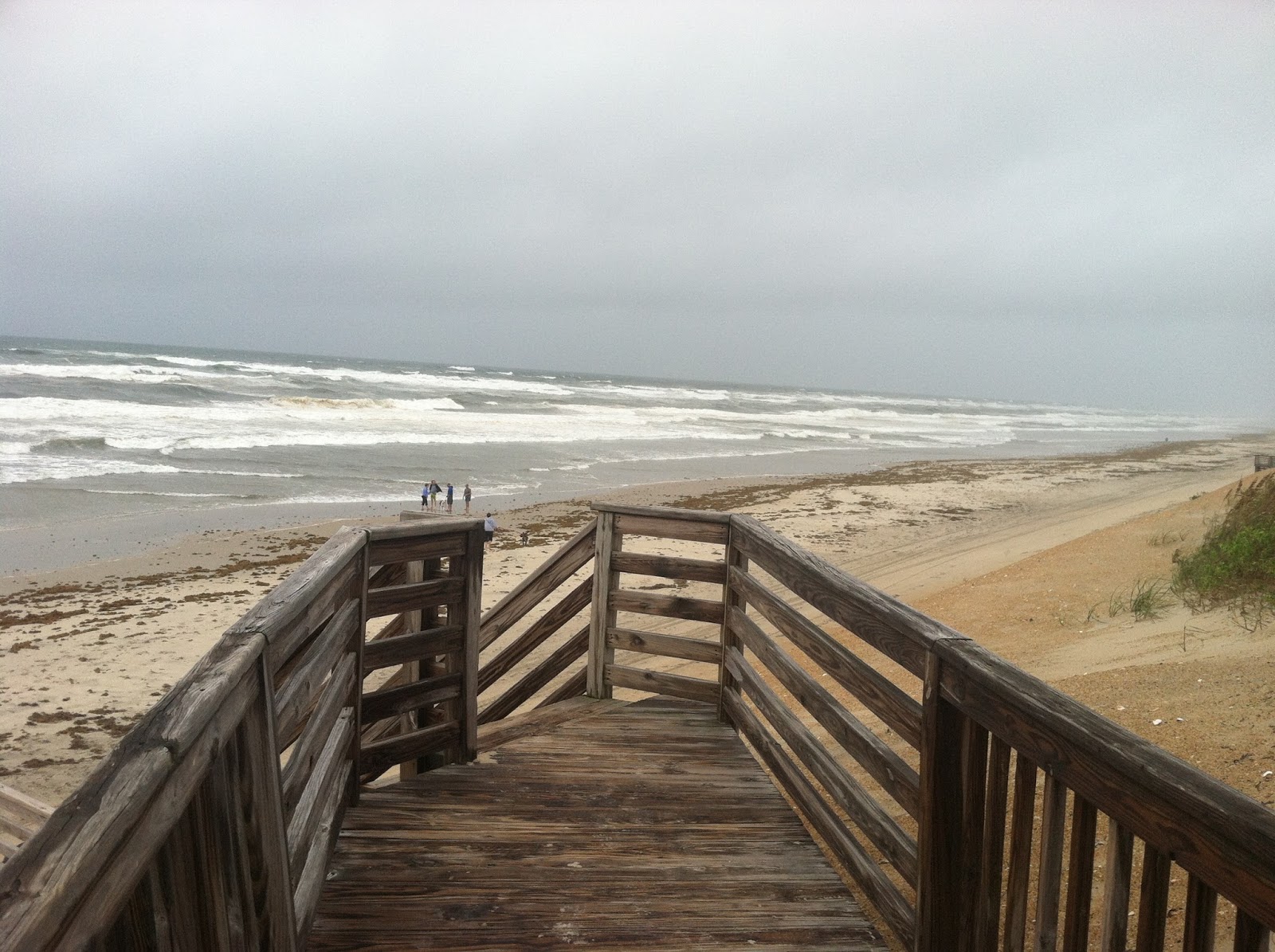
We found ourselves with some free time and we had to make a decision: Should we head over to the beach (even though it was too cold to put even a toe into the water), or should we head to the park and walk in the woods?

In the end, we ended up at the water's edge...because she had the car.

I am a tree hugger. I love the woods. When I need peace of mind or strength for the day, I like to lean on a tree. After all, trees are rooted deep in the the Earth. They survive right where they're planted, even though they don't have any choice in the matter. They weather the ravages of Mother Mature--wind, rain, and drought, and they change with the seasons. I think we can learn a lot from trees. They are wisdom, and strength, and support to me.


My friend, on the other hand, is a wave runner, drawn to the water. When we got to the beach, she kicked off her shoes and planted her feet in the sand. For her, the ocean is cleansing, soothing, rejuvenating.


She has her source...and I have mine. She prefers one thing...I prefer another.

This is important to understand if you're a writer. It raises the age old question: Are you a plotter or a pantser?

www.karentyrell.com

Do you sketch out your entire story before you write the narrative? Or do you plunge right into the story, then let it develop as you go?

I am a tree hugging pantser, myself. My mind wanders when I write. I can't work out every detail in advance. After all, how do I know where my characters will take me until they figure it out for themselves?
www.plymouthfoodpantry.org

Nevertheless, as hard as it is for me to outline a book, I gave it my best effort last week. I'm working on a non-fiction manuscript that, I thought, lent itself readily to an outline: Chapter--point, point, point. Chapter--point, point, point. The problem is I would start to make a point, but  the narrative would carry me away. I just kept writing until, before long, the whole chapter was written. I hadn't thought about what should come next. Before I knew it, I was pages into the book in true pantser form.

Plotting and outlining are as uncomfortable for me as a cold dip in the ocean, as water up my nose, as sand in my shoes.  I'll never be a plotter, any more than I'll ever be a wave runner. Remember:

www.society6.com

Do you prefer to frolic in the surf, or wander through the woods? Are you a wave runner, or a tree hugger? Are you a plotter or a pantser?
jan


Sunday, April 10, 2016

success is like a snowy day in April

A couple of weeks ago the thermometer hit 75 degrees. To celebrate the arrival of spring, the optimists among us dusted off our patio furniture and arranged it on the deck. We put our winter coats and woolen sweaters into storage. Some of us ran to the garden center to pick up some early bloomers.

Today we got snow.


Just when spring felt like a sure thing, it slipped away.

Success can sometimes feel the same way. You spend months at your desk, laboring over a manuscript, or a poem, or an essay. You plant yourself in your seat and write even though you'd rather be outdoors, or shopping, or visiting friends. You trudge through bouts of writers' block. You start to wonder if it's worth the effort. You just want it to be finished.

Then, one day you get that letter in the mail. You have a publisher! Your poem has won a prize! Your story is going to appear in print!

You celebrate the achievement as if you have uncovered the secret of success. As if it will be clear sailing for you from now on. As if nothing can stop you now...

...until the first rejection letter arrives. It feels a lot like a cold, snowy day in April.

Nevertheless it is inevitable that, sooner or later, spring will arrive. Which is why you must always:
www.metimeplease.com

Sooner or later, it will arrive.
jan